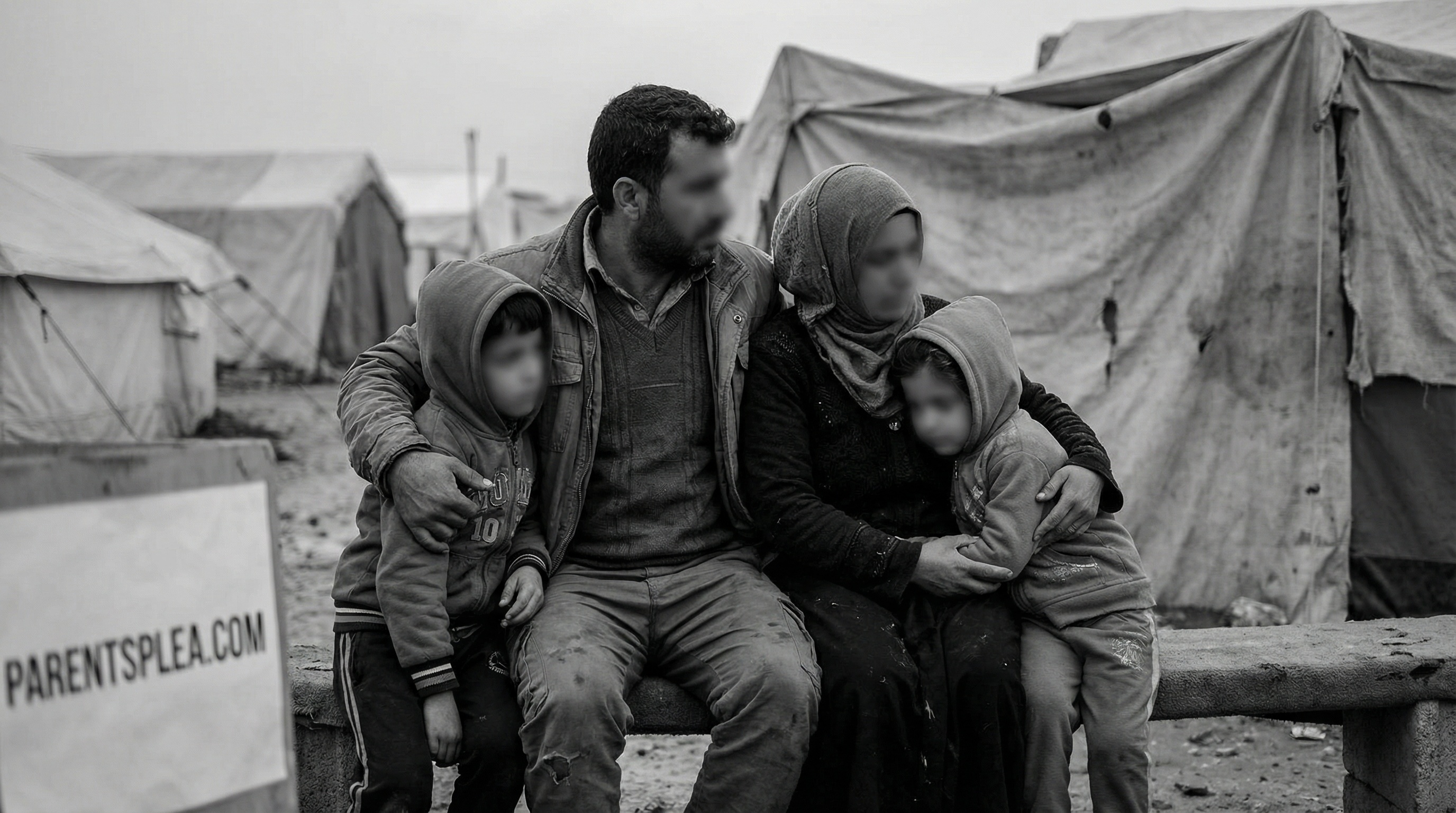
Post-conflict zones present real risks. Every participant must understand and accept full personal responsibility.
You must read this page carefully before applying for the International Track. Your safety is your own responsibility.
ConflictTour exists to bear witness and serve communities impacted by war. We believe this work is sacred. We also believe it must be undertaken with clear eyes and full awareness of the risks.
If you choose the International Track, you are traveling to regions that have experienced armed conflict. These areas are deemed combat-free by available travel advisories at the time of placement — but conditions in post-conflict zones can change rapidly and without warning. ConflictTour does not offer insurance, medical evacuation, or extraction services. You must assume full responsibility for your own safety, health, and preparedness.
1. Resources May Be in Short Supply
Post-conflict regions often face severe shortages of basic goods and services. You should expect that:
- Medical facilities may be damaged, understocked, or nonexistent
- Food, clean water, and fuel may be difficult to find
- Accommodations may be basic and unreliable
- Local transportation options may be limited or unsafe
You must plan to be self-sufficient. Bring any medications, first aid supplies, and personal necessities for the duration of your stay. Do not assume you can purchase what you need upon arrival.
2. You Must Plan for Immediate Evacuation
Conflicts can reignite with little to no warning. Airspace can close. Borders can shut. Commercial flights can cease operating overnight.
Because ConflictTour does not provide evacuation services, you must have your own plan before you depart.
Before you travel:
- Research multiple exit routes, including land borders and alternative airports
- Identify the nearest embassy or consulate of your home country
- Keep sufficient funds to purchase last-minute tickets or arrange private transport
- Monitor travel advisories daily from your government’s foreign affairs ministry
If conflict escalates, you may need to make a decision to leave before official evacuation orders are issued. Waiting too long can mean being trapped.
3. International Travel Insurance Is Required
You must purchase comprehensive international travel insurance before departing. This is not optional.
Your insurance must include: international health coverage in your host country, medical evacuation coverage for illness or injury unrelated to war, and trip interruption and cancellation coverage for non-war events.
| Typically NOT Covered by Standard Policies | Typically Covered by Standard Policies |
|---|---|
| Flight cancellations due to conflict airspace closure | Medical emergency from illness or accident |
| Emergency evacuation due to war | Hospitalization unrelated to war |
| Extended stays caused by conflict | Trip cancellation from airline strikes or weather |
| Conflict-related injuries | Loss of baggage |
You must read your policy documents carefully and ask your insurer directly about exclusions. If you travel against a government advisory, your coverage may be voided entirely. ConflictTour does not cover the cost of your insurance or any expenses arising from injury, evacuation, or stranded travel.
4. Communication May Be Disrupted
In post-conflict zones, digital infrastructure is often fragile or intentionally disrupted. You should expect intermittent internet access, damaged mobile networks, frequent power outages, and possible government-imposed communication blackouts.
Prepare accordingly:
- Download offline maps and translation tools before you go
- Establish check-in times with family that do not rely on internet access
- Have a backup communication plan — consider a satellite phone if feasible
- Do not assume continuous access to email, messaging apps, or online emergency services
5. Register with Your Consulate
Before departing, register your travel with the consular services of your home country. This free service allows your government to locate and assist you in an emergency.
- New Zealanders: Safe Travel website
- Spaniards: Travellers’ Register through the Ministry of Foreign Affairs
- Malaysians: e-Konsular system
Registration does not guarantee evacuation — but it is an essential step. Keep your registration updated if you change locations within the country.
6. Visas Are Your Responsibility
Research entry requirements through the official embassy website of your destination country. Determine whether you need a tourist, humanitarian, or special documentation visa. Apply well in advance — processing can be delayed significantly. Ensure your passport is valid for at least six months beyond your intended stay.
Final Note from ConflictTour
We believe in this work. We believe witnesses matter. We believe showing up for people in their hardest moments is among the most profound things a person can do. But we also believe in telling the truth about what this work requires. If you choose the International Track, you choose to accept these risks. ConflictTour will train you, place you with trusted partners, and support you with coaching and community. But we will not be able to rescue you. That responsibility is yours alone. If this feels like too much to carry, the Local Track offers a way to serve that carries different risks and different rewards. Both are honorable. Both are needed.